

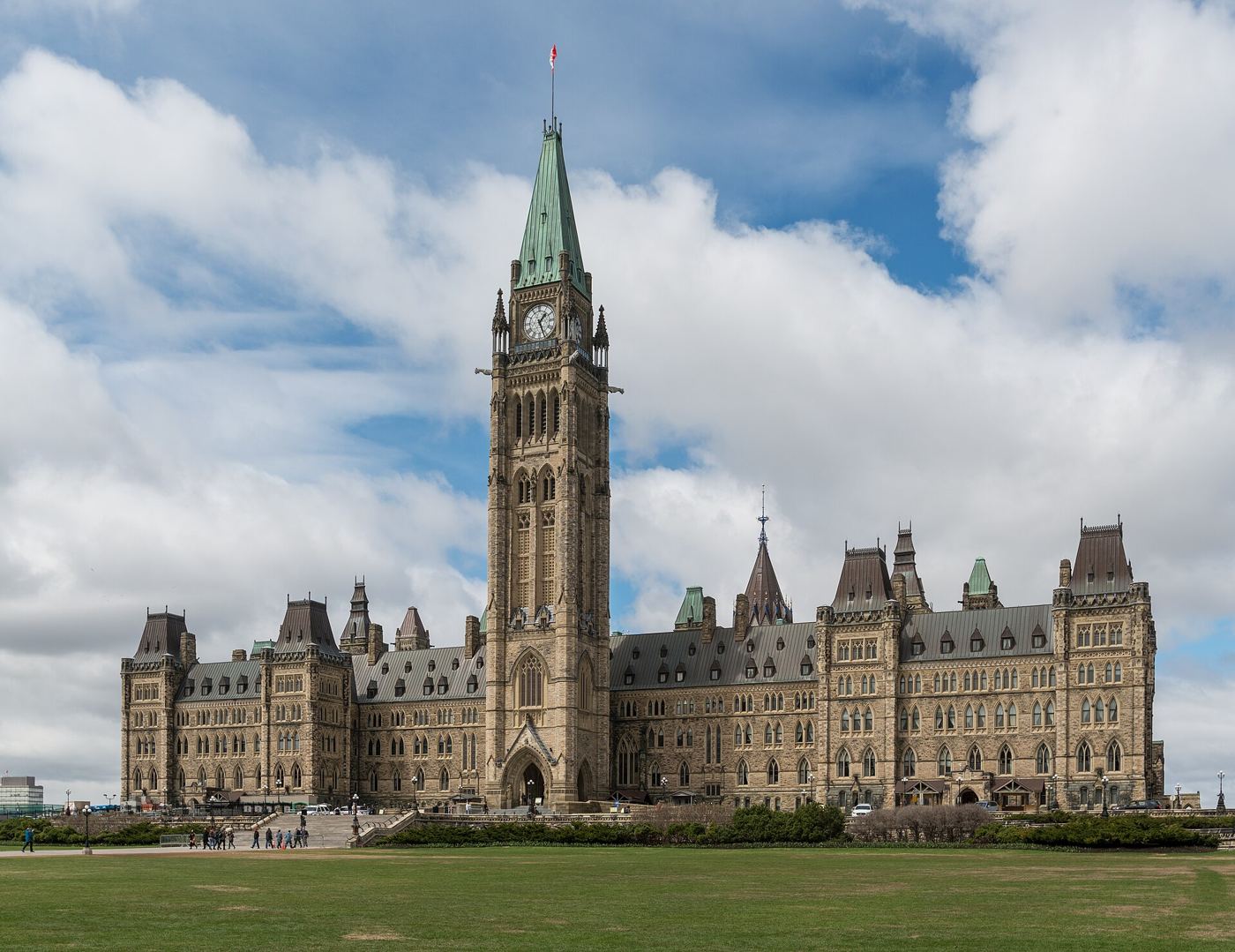
Canadian Prime Minister Mark Carney’s government tabled its second federal budget on November 5, 2026, a plan titled ‘Masters of Our Destiny’ aimed at making Canada less dependent on the United States as President Donald Trump’s trade war reshapes the allies’ economic relationship. Finance Minister François-Philippe Champagne presented the budget in the House of Commons in Ottawa, proposing C$142.1 billion in spending and tax measures over five years. The government projects spending of C$603 billion and a deficit of C$62.3 billion for 2026-27, about C$3 billion less than forecast in April. It expects growth of just 1 percent in 2026, followed by 1.7 percent next year and 2 percent the year after.
What the Evidence Shows
The budget promises an ‘investment supercycle’, with incentives to attract business investment and billions for energy, infrastructure and culture, alongside housing measures and an increase to the groceries and essentials benefit to ease affordability pressures. Deficits are expected to persist, at C$62.5 billion next year and C$57.6 billion the year after, falling to C$52.9 billion by 2030-31, when the deficit-to-GDP ratio is projected to reach 1.3 percent. The government reaffirmed its anchor of balancing the operating budget by 2027-28, one year earlier than originally targeted, with the federal debt-to-GDP ratio at 39.9 percent. The budget also outlines a $25-billion sovereign wealth fund and warns that persistent Middle East conflict could push next year’s deficit as high as C$66.1 billion. Reporting and analysis from sources such as Reuters track the same developments, and specialists following Canada Budget 2026 say the direction is now consistent across independent lines of evidence.
The Wider Context
The wider context is a public conversation conducted at a speed institutions were not built for. Developments around Canada Budget 2026 are announced, contested and revised within a single news cycle, and the officials involved have learned to publish evidence alongside claims so that scrutiny can actually occur. Trust, the polling suggests, follows that transparency more than it follows confidence.
What Happens Next
What happens next in the story of Canada Budget 2026 will be decided in the places where it is being implemented, measured and argued about in public. The officials and organisations involved have committed to publishing progress data, and that commitment gives residents, businesses and journalists something firmer than promises to judge. The next milestones are dated, which means they can be checked. You can follow related developments in our coverage of news.
There is a practical lesson in all of this for readers deciding what to do today. Start with the verified facts, be wary of anyone promising certainty, and prefer reversible steps while the evidence is still developing. Circumstances differ by country, income and personal situation, so general guidance should always be weighed against your own context before you act on it in any significant or lasting way.
