

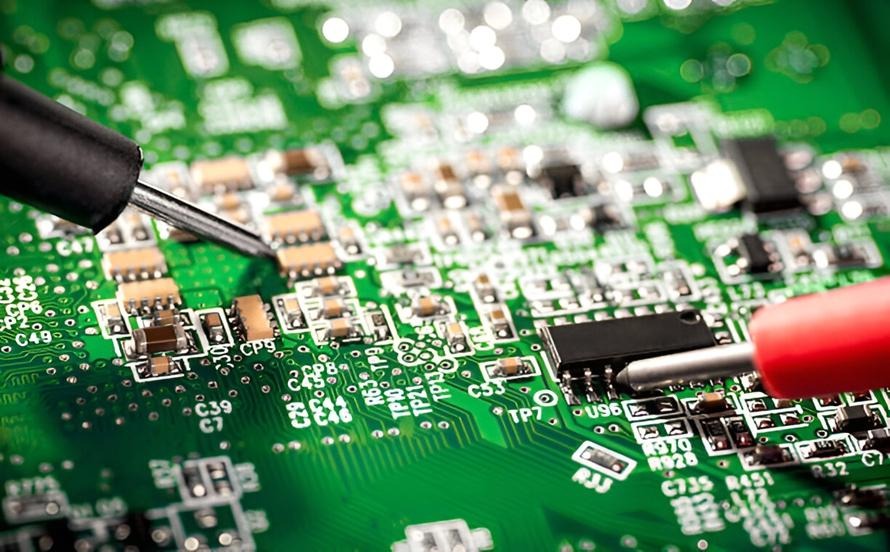
Printed circuit boards (PCBs) are essential components of modern electronic devices, from industrial control systems and medical equipment to consumer electronics and communication technologies. As electronic products become more advanced, manufacturers need reliable assembly solutions that balance product quality, production costs, and supply chain efficiency. One approach that businesses can consider is consignment PCB assembly, a model that allows customers to supply the components required for board assembly while relying on a professional manufacturer for production.
Understanding how consignment-based PCB assembly works, its benefits, and its potential limitations can help businesses determine whether this manufacturing approach aligns with their project requirements.
What Is Consignment PCB Assembly?
Consignment PCB assembly is a manufacturing arrangement in which the customer purchases and supplies the electronic components needed for production, while the assembly provider handles the process of mounting and soldering those components onto printed circuit boards.
Depending on the agreement, the customer may also supply bare PCBs, soldering materials, or other production-related items. The assembly partner typically provides the equipment, technical expertise, labor, and manufacturing processes required to produce the assembled boards.
This arrangement differs from turnkey PCB assembly, where the manufacturer manages component sourcing, procurement, and assembly as part of a more comprehensive service.
In a consignment PCB assembly model, the customer retains greater control over component selection and purchasing decisions. This can be particularly useful for businesses that already have established electronics suppliers, maintain their own component inventory, or require specific parts for specialized applications.
How Does the Consignment PCB Assembly Process Work?
A successful consignment assembly project requires coordination between the customer and the manufacturing partner. Although the exact workflow varies by project, the process generally involves several key stages.
1. Design File and Bill of Materials Submission
The process begins with the customer providing the necessary manufacturing documentation. This typically includes Gerber files, assembly drawings, a bill of materials (BOM), and pick-and-place files when applicable.
The BOM identifies the components required for assembly, including part numbers, quantities, and relevant specifications. Accurate documentation helps the manufacturer verify that the supplied components match the intended design.
2. Component Procurement and Delivery
The customer purchases the required electronic components and arranges their delivery to the assembly facility. Components may include integrated circuits, resistors, capacitors, connectors, and other parts specified in the BOM.
Before shipping, customers should verify component quantities, packaging requirements, and part numbers. Proper labeling and moisture-sensitive packaging are also important for preventing handling or storage issues.
3. Incoming Material Inspection
Once the materials arrive, the assembly provider checks the supplied components and bare PCBs against the project documentation.
Depending on the agreed inspection process, this stage may include quantity verification, visual inspection, packaging checks, and identification of missing or damaged parts.
Early detection of discrepancies helps prevent unnecessary production delays.
4. PCB Assembly and Soldering
After material verification, the manufacturer prepares the boards for assembly. Surface-mount technology (SMT), through-hole technology (THT), or a combination of both may be used depending on the design.
Automated pick-and-place machines position components, while reflow soldering or wave soldering processes establish the required electrical and mechanical connections. Additional manual assembly may be necessary for specialized components or complex board designs.
5. Inspection and Testing
Quality control is an important part of the assembly process. Depending on the product requirements, inspection methods may include automated optical inspection (AOI), X-ray inspection, in-circuit testing, and functional testing.
These procedures help identify soldering defects, component placement errors, and other potential problems before the assembled boards are delivered.
6. Final Inspection and Delivery
Following the agreed inspection and testing procedures, completed boards are prepared for shipment. The customer and assembly provider should confirm packaging requirements, delivery schedules, and documentation before the products leave the facility.
Key Benefits of Consignment PCB Assembly
Greater Control Over Component Sourcing
One of the main advantages of consignment-based PCB assembly is the customer’s control over component procurement. Businesses can work with preferred distributors, use approved component manufacturers, and maintain consistency with their existing sourcing policies.
This control can be especially valuable when products require specialized parts or when the customer has established supplier relationships.
Potential Cost Savings
Customers may benefit from competitive component pricing through their existing purchasing agreements. They can also use components already available in inventory, potentially reducing additional procurement expenses.
However, overall savings depend on several factors, including inventory management, shipping costs, component pricing, and the assembly provider’s fees. Businesses should evaluate the total project cost rather than focusing exclusively on assembly charges.
Improved Component Traceability
Companies operating in industries with strict quality requirements often need detailed records of component origins and specifications. By managing component purchases directly, customers can maintain greater visibility into supplier documentation and sourcing decisions.
This can support internal quality procedures and make it easier to investigate component-related issues when they arise.
Flexibility for Specialized Projects
Consignment assembly can suit projects involving customer-approved components, proprietary designs, or specific sourcing requirements. It may also work well for prototype builds and small production batches when suitable components are already available.
The arrangement allows customers to retain control over materials while benefiting from the manufacturing partner’s assembly capabilities.
Better Use of Existing Inventory
Businesses sometimes hold surplus components from earlier production runs or maintain stock for ongoing manufacturing programs. Using suitable inventory for a new assembly order can reduce unnecessary purchases and help manage existing resources more efficiently.
Before using stored components, however, customers should confirm that the parts meet current specifications and have been stored under appropriate conditions.
Challenges to Consider Before Choosing Consignment Assembly
Despite its advantages, consignment PCB assembly requires careful planning.
Component shortages: Missing parts can interrupt production and delay delivery. Customers should verify BOM quantities and consider providing a small quantity of spare components where appropriate.
Inventory management: Customers remain responsible for purchasing and supplying components, which requires effective inventory planning and coordination.
Shipping and logistics: International shipments, customs procedures, and packaging requirements can increase lead times and costs.
Component quality: Incorrect, counterfeit, damaged, or improperly stored components can compromise the finished product. Purchasing from reputable suppliers and maintaining suitable documentation helps reduce these risks.
Production scheduling: Assembly timelines depend partly on when all required materials arrive. Clear communication about delivery dates and material readiness is essential.
How to Choose the Right PCB Assembly Partner
Selecting a capable manufacturing partner is essential for achieving consistent results. Businesses should assess the provider’s experience with similar board designs, available SMT and THT capabilities, inspection equipment, and quality management procedures.
It is also important to understand how the manufacturer handles incoming materials, component discrepancies, production changes, and defective parts. Ask whether the provider can support prototype development, small batches, and future production increases if project requirements change.
Before starting production, establish clear agreements covering material responsibilities, component storage, testing requirements, lead times, packaging, and ownership of unused components. A well-defined process helps both parties avoid misunderstandings and maintain production efficiency.
Conclusion
Consignment PCB assembly can be a practical option for businesses that want to retain control over component purchasing while outsourcing board assembly to an experienced manufacturer. Its potential benefits include sourcing flexibility, improved inventory utilization, and greater visibility into component selection. However, successful implementation depends on accurate documentation, reliable component supply, effective logistics, and strong quality control.
Companies should evaluate their production volume, purchasing capabilities, technical requirements, and overall budget before selecting an assembly model. By working with a qualified manufacturing partner and establishing clear responsibilities, businesses can make informed decisions about whether Consignment PCB Assembly Services are the right fit for their electronic manufacturing needs.
