

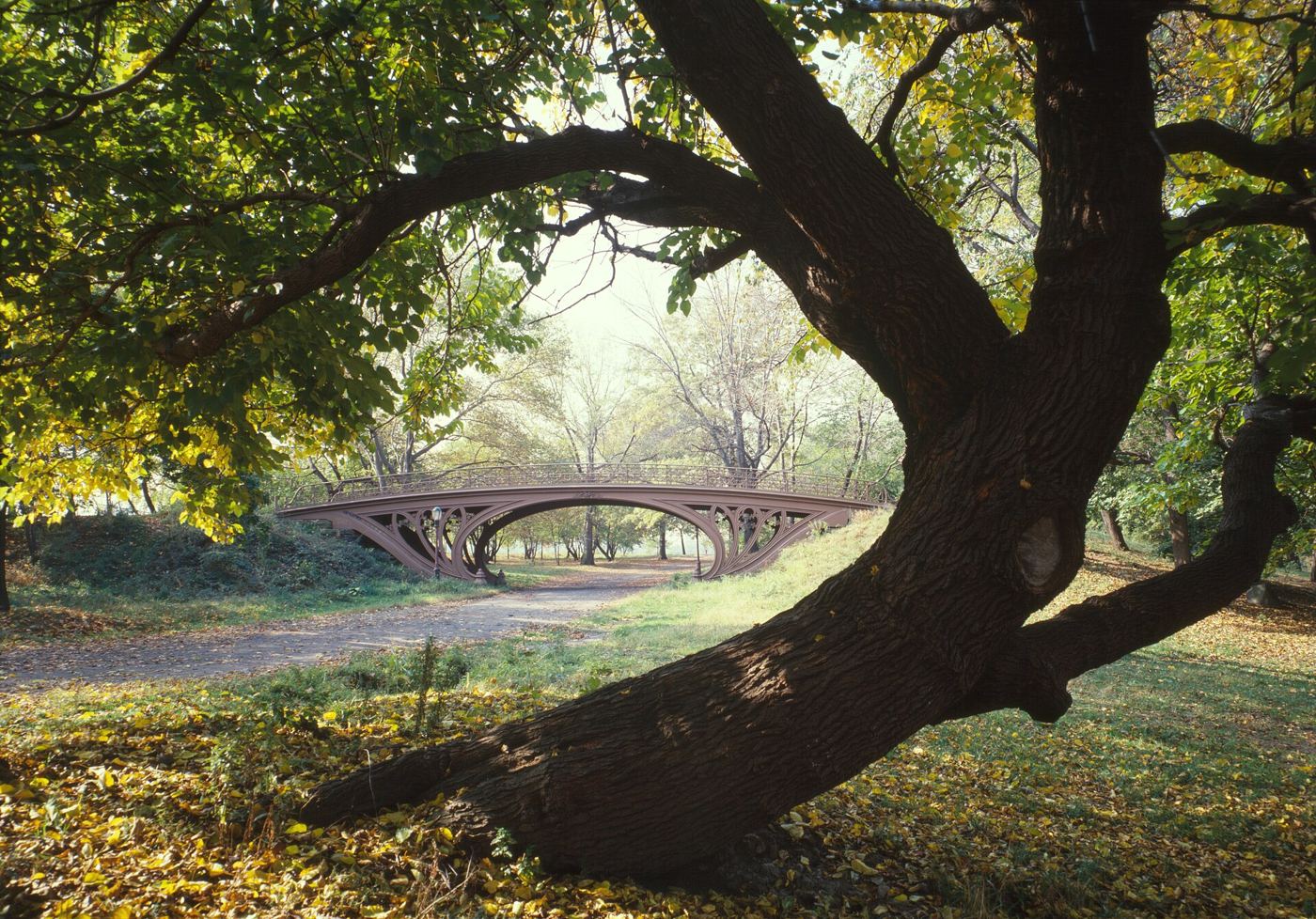
On the hottest days, the difference between a tree-lined street and a bare one can be measured in lives as well as degrees. Studies comparing matched neighbourhoods find shaded areas several degrees cooler at street level, with the largest effects during dangerous heatwaves. As cities endure longer, hotter summers, urban forestry has moved from beautification budgets into the serious category of public health infrastructure, ranked alongside flood defences and heat-action plans.
Degrees That Save Lives
Trees cool in two ways. Shade intercepts sunlight before it can bake pavements into storage heaters that radiate warmth into the night, while transpiration — water drawn from the soil and released through leaves — works like a vast, quiet air-conditioning system. The combined effect reduces the urban heat island that makes city centres several degrees hotter than surrounding countryside, a gap that peaks at night when the human body most needs relief to recover from the day’s heat.
Where trees are planted matters as much as how many. Canopy is thinnest, researchers consistently find, in the poorest districts, where housing is densest, gardens are fewest and residents are most likely to work outdoors or live without air conditioning. Heat mortality follows the same map. Planting programmes that simply count saplings tend to widen the gap, scattering trees where land is cheap and survival easy rather than where heat risk concentrates, which is why equity-weighted targeting has become the professional standard. Further background is available in our science coverage for readers following this story.
Where Planting Helps Most
Survival is the awkward metric. A sapling planted for a photo opportunity and never watered is a press release, not infrastructure, and young-tree mortality in some programmes has exceeded half. The cities getting results fund watering and maintenance for the first three to five years, choose species for the climate of thirty years hence rather than today’s, and give residents a stake in the trees on their street. Mature canopy, once established, then asks remarkably little for what it returns.
The returns stack up beyond temperature. Tree-lined streets slow traffic, absorb stormwater that would otherwise flood drains, filter particulates from the air and raise the value and lettability of nearby property. Patients in hospital rooms overlooking greenery have repeatedly been shown to recover faster and need less pain relief. Set against the full ledger, the cost per tree looks less like landscaping and more like one of the cheapest multi-purpose investments a city can make. Additional reporting from National Geographic Environment provides further detail on the background.
Keeping Canopy Alive
The constraint is time. A canopy planted today reaches full cooling power in the 2040s, which means the decisions that will protect residents from mid-century heat are being taken, or ducked, now. City foresters describe their work as a promise made to people they will never meet. On current planting rates in many cities, that promise is still being underwritten — but the science of what trees do, and for whom, is no longer in any serious doubt. What happens next depends largely on decisions expected in the coming weeks, which will be reported here as soon as they are confirmed.
